
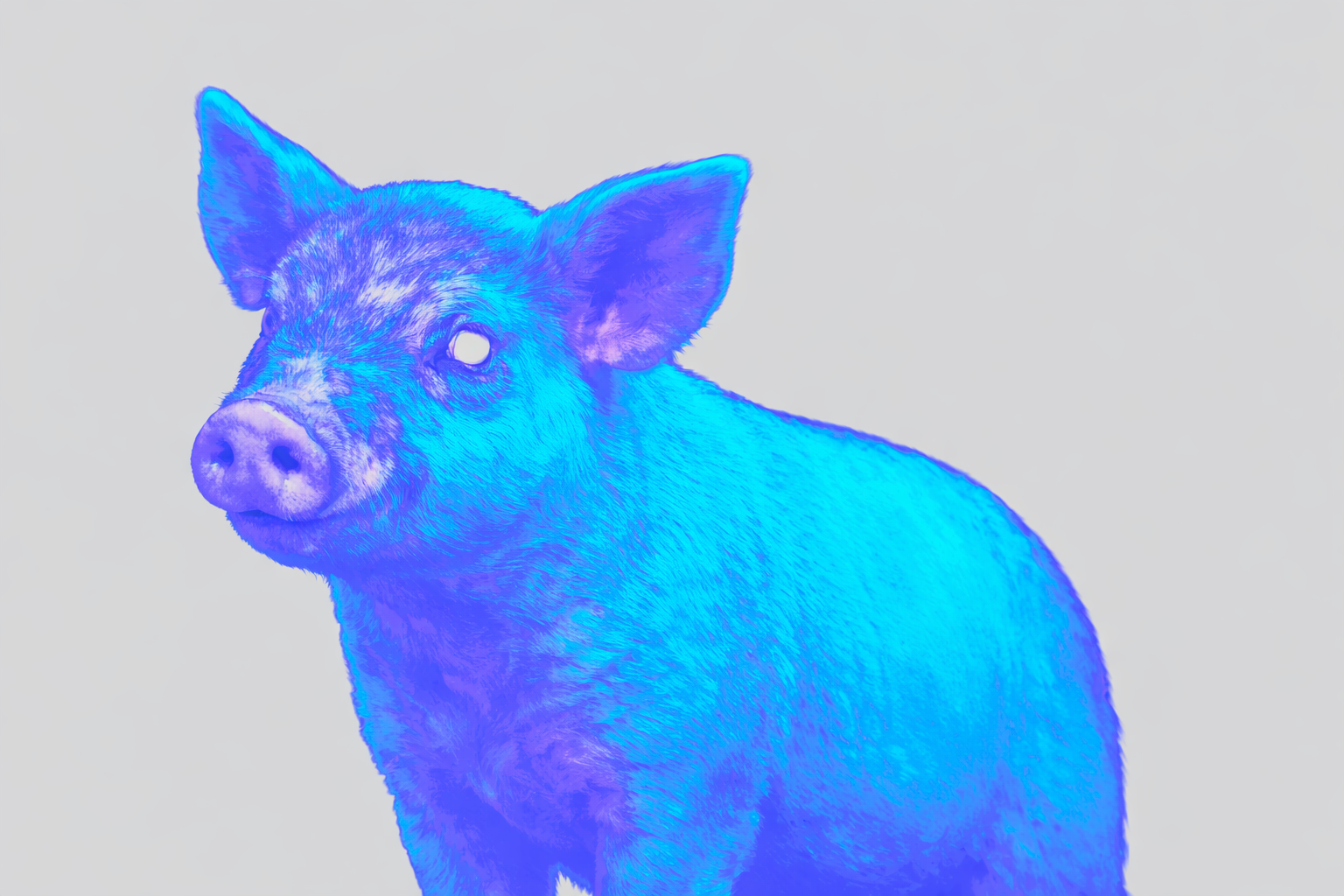
Multi-Organ Cryopreservation, HIFU Rewarming, and Quality/Functional Evaluation in a Pig Model
€50,000
Project Overview
Project PI: Diego Monzón Díaz, MD (Resident - Cardiothoracic Surgery)
Location: Hospital Gregorio Marañon.
Partners
- Prof. Ramon Risco, University of Seville
- Various departments at the Hospital Gregorio Marañon and the University of Madrid (e.g., Prof. Dr. Pedro de la Villa, Physiology, University of Alcalá, Dr. Emma Sola, Pathologist, University Complutense of Madrid, etc)
Funding
CryoDAO to provide an initial amount of EUR 50,000.00 in late February 2026 to establish procedures and conduct pilot experiments to create a new cryopreservation research location.
- Overhead 10-15%, hospital and university to provide equipment, etc
- Funding to be provided to the PI or each partner individually
- Goal with initial funding:
- Complete a full experimental cycle once, without large-scale rewarming, etc
- Collect sufficient data for grant applications
- De-risk scaling up to organ and organism size
Additional funding via grant funding (local grants in Madrid, Spain-wide grants, and EU programs in preparation) and/or via a future project collaboration/agreement with CryoDAO.
Problem
This project addresses one of the most important unresolved challenges in biomedical science: the safe cryopreservation of whole vascularized tissues and organs and the controlled rewarming required to prevent recrystallization. This limitation currently blocks the creation of organ and tissue biobanks and significantly restricts the flexibility of transplantation programs. It constitutes frontier, high-risk scientific research with clear translational potential.
Project Summary
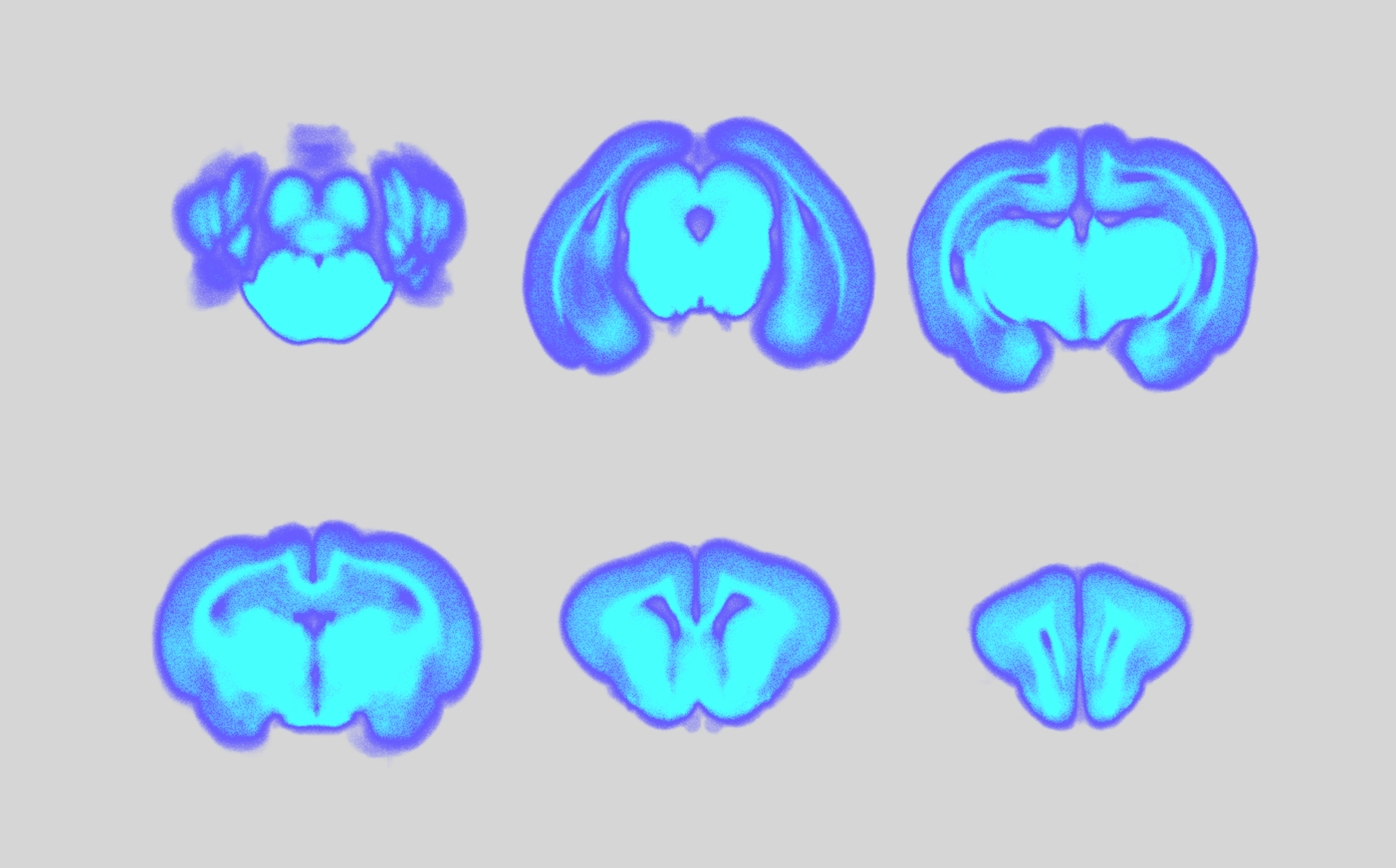
The project entails the perfusion of whole pigs with CPA, cooling down of samples, whole organs, and potentially the whole organism (at a later date) to cryogenic temperatures and the rewarming of samples (and at a later date, organs and potentially the whole organism). After rewarming, evaluation of structural preservation as well as various functional evaluations of cell, tissue, and organ function will be performed. To start, three organs have been chosen: heart, kidney, and brain.
The project has the following goals:
- CPA perfusion in the pig model
- Cooldown (samples, organs, and later the whole organism)
- Rewarming via High-Frequency Ultrasound (HIFU) (samples and later organs)
- Structural evaluation
- Light microscopy
- EM, especially for brain slices
- Functional evaluation
- Viability Assays
- Electrophysiology in heart tissue and cells
- Electrophysiology in brain slices
- Kidney function (urine production), at a later date
Milestones & Experimental Plan
The project is separated into eight milestones:
- Establish whole-body CPA perfusion in pig model via aortic cannulation
- Adaption of perfusion circuit incl. concentration ramp
- Training of team for CPA perfusion
- Potentially multiple cannulation points
- Evaluation of perfusion results (via CT, if available)
- Establishing of sample taking (micro samples, 1cm3 samples, organs) from heart, kidney, and brain
- Establishing of cooldown to cryogenic temperatures (≈-140°C) via liquid nitrogen vapor cooling
- Establish transport procedures to University of Seville in dry shippers
- Rewarming of samples via High-Frequency Ultrasound (HIFU), initially for samples, later, and given enough funding for organs
- Fixation of samples for EM, and establishing of transport to Madrid for functional evaluation
- EM imaging, ideally with SBF-SM or FIB-SEM, if available
- Functional evaluation
- Assays
- Heart: Electrophysiology, Viability assays
- Brain: Electrophysiology, ideally Long-term potentiation (LTP), Viability assays
- Kidney (at a later date, and given additional funding): urine production in an isolated kidney
- Controls
- Mock perfusion
- CPA perfusion, no cryogenic cooling
- No transport back to Madrid, assays done in Seville
- Rewarming via water bath
Experimental Plan & Procedures:
- Mixing of MHP-2 (washout solution) and CPA in large quantities.. Either pre-mixing of CPAs, or ideally, via feeder pumps into the hardshell reservoir of the perfusion circuit
- Choice of CPA, likely VMP
- Cannulation
- Ascending aorta
- Abdominal aorta
- 2-/3-stage venous cannula
- Perfusion of CPA
- Adapt perfusion circuit
- Maintaining low temperature of perfusate and body (between 4°C and ≈-5°C)
- Open circuit perfusion (venous return goes into waste), and recirculation of perfusate
- Perfusion via pressure control (at high CPA concentrations and low concentrations, flow needs to be reduced significantly to maintain physiological pressure)
- Temperature monitoring and logging (arterial and venous)
- Refractomy (arterial and venous)
- Arterial: Monitoring of arterial concentration
- Venous: Monitoring of ramp curve
- Venous samples
- Blood-brain barrier modification
- Via SDS
- Via Ultrasound
- Cooldown to cryogenic temperature and storage
- Computer-controlled cooldown to cryogenic temperatures, -140°C
- Storage at -140°C
- Samples taking, handling, and transport
- At ≈0°C
- At -≈140°C
- Sending samples between Madrid and Seville at -140°C and after rewarming at 37°C
- Rewarming via HIFU
- Small samples
- Larger samples
- Organs (at a later date)
- Unloading of CPA, samples preparation
- Diffusion unloading, ramp curve
- Fixation
- Structural evaluation
- Sample preparation for EM
- EM imaging, SBF-SEM or FIB-SEM
- Evaluation
- Functional evaluation
- Viability assays (e.g., MTT, K/NA)
- Electrophysiology
Highlights
- High impact for cryopreservation
- Solid evidence supporting their approach
- Mainstream hospital and university involved/lead project
- Very high clinical applications (e.g., organ biobanking)
- Comparatively low funding required
- Small overhead
- Helps establish a new cryopreservation research location
Outcome of the evaluation and recommendation
A total of X evaluators independently scored the project proposal on different categories as either: (1) Outstanding, (2) Strong, (3) Satisfactory, (4) Weak, (5) Unacceptable, (N/A) Not enough information provided, or (N/A) Not my area of expertise. This is a summary of the results:
- Novelty and Impact: (1) Outstanding (1/1 evaluators)
- Feasibility and Data: (1) Outstanding (1/1 evaluators)
- Relevance to cryopreservation: (2) Strong (1/1 evaluators)
- Science Team: (1) Outstanding (1/1 evaluators)
- Market Advantage: (3) Satisfactory (1/1 evaluators)
All the evaluators consider the project worth funding by the CryoDAO community.
Challenge
- Short-term commercialization might not be easy
- Some technical risk, but managed well
- Further funding is needed for scaling up, which might be difficult
Opportunity
This is a coordinated effort to combine whole-body CPA perfusion, controlled cryogenic storage, and scalable rewarming in a large animal model, with rigorous structural and functional validation. These results will de-risk larger follow-on studies and unlock additional grant funding and partnerships for full-organ and whole-body cryopreservation work.
Learn more about the project, check progress, or make a proposal for your contribution by contacting our team.
Discover more research projects that are currently being supported by CryoDAO.
Project Updates
Project Initiated
